

4 Key Things to Consider When Buying a Second Home
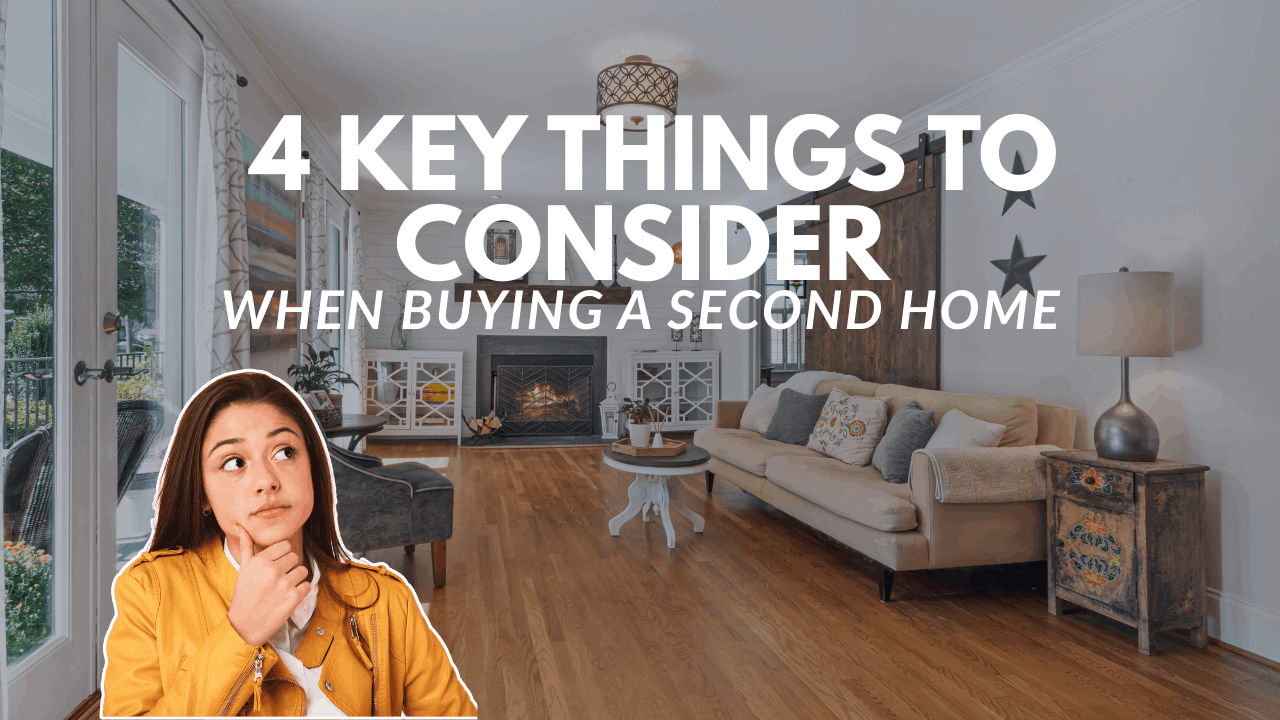
Buying a second home is one of those exciting life decisions that blends financial opportunity with lifestyle upgrades. Whether you’re picturing lazy summer afternoons by the lake, earning passive income from rentals, or having a peaceful retirement retreat, the possibilities are endless.
But here’s the reality — without careful planning, a second home can quickly become a financial or logistical headache. That’s why understanding the most important factors before you commit is key to making your purchase a success.
Let’s break down the four essential considerations you need to know before buying a second home — and why each one matters more than you might think.
1. Purpose & Location: Define Your "Why" Before You Buy
The very first question to ask yourself is: What’s the main purpose of this property?
-
Vacation Getaway – If you’re seeking a personal escape, think about convenience. A four-hour drive might sound fine now, but after a long workweek, you might wish it were just two. Also, consider seasonal accessibility — will you be able to use the home year-round, or only during certain months?
-
Rental Property – For income-focused buyers, location is everything. Look for areas with high tourist traffic, reliable transportation links, and proximity to attractions. Popular destinations often maintain strong rental rates even during off-peak seasons.
-
Future Retirement Home – If your long-term plan is to retire there, consider practical needs like nearby healthcare services, grocery stores, and community amenities. Visit the area in different seasons to see how livable it is year-round.
📌 Why this matters: Your property’s location directly impacts its value, rental potential, and day-to-day enjoyment. A well-chosen spot means better resale opportunities, higher demand if renting, and a lifestyle you’ll truly enjoy.
2. Budget & Financing: Know the Real Cost of Ownership
A second home is more than just the sticker price on the listing. Many buyers underestimate the ongoing costs. Here’s what you need to consider:
-
Mortgage Payments – Lenders often require a larger down payment for second homes (commonly 20% or more) and may have stricter qualification requirements.
-
Insurance – Vacation homes in certain locations — such as waterfront properties — may require specialized insurance that costs more.
-
Property Taxes – Some areas have higher rates for non-primary residences.
-
Utilities & Maintenance – Even if the property sits vacant for months, you’ll still pay for heating, cooling, and basic upkeep.
💡 Tip: Run the numbers for both best-case and worst-case scenarios. This way, if rental income is lower than expected or maintenance is higher, you won’t be caught off guard.
3. Rental Potential: Can Your Second Home Pay for Itself?
One of the biggest advantages of owning a second home is the potential to generate income when you’re not using it. But before counting on that cash flow, ask:
-
Are short-term rentals allowed? Some municipalities or strata councils strictly regulate or prohibit Airbnb/VRBO rentals.
-
Is there year-round demand? Mountain cabins may do well in ski season but struggle in summer unless marketed to hikers and adventure seekers.
-
How competitive is the rental market? Look at similar listings, occupancy rates, and average nightly rates in the area.
📌 Benefit: If done right, rental income can cover part — or even all — of your property’s expenses, making ownership far more affordable.
4. Maintenance & Management: Who Will Care for Your Home When You’re Away?
Second homes require the same (if not more) care as your primary residence. If you’re not nearby, you’ll need a plan:
-
Hire a property manager to handle bookings, guest check-ins, and cleaning.
-
Schedule regular maintenance for HVAC systems, roofing, and pest control.
-
Invest in smart home tech like cameras, thermostats, and leak detectors so you can monitor the property remotely.
💡 Pro Tip: A well-maintained property not only keeps guests happy but also protects your investment from costly repairs down the road.
Why These Four Steps Protect Your Investment
The difference between a second home that becomes a cherished asset and one that turns into a financial burden often comes down to preparation. By defining your purpose, understanding the true costs, researching rental demand, and having a clear maintenance plan, you’ll set yourself up for both enjoyment and profit.
Ready to Find Your Perfect Second Home?
Owning a second home is more than a purchase — it’s a lifestyle decision that can bring joy, financial growth, and security. But it takes the right guidance to ensure your choice is the perfect fit for your goals.
If you’re thinking about buying a second home, let’s talk. I’ll help you:
-
Find the right property in the best location for your needs
-
Navigate financing options with confidence
-
Understand rental laws and potential income
-
Connect with trusted local property managers
📞 Kevin Scharfenberg
Personal Real Estate Corporation
250-457-1795
Brokered by: EXP Realty
Your dream second home could be just one conversation away. Let’s make it happen.
Categories
Recent Posts




GET MORE INFORMATION

Kevin Scharfenberg
Personal Real Estate Corporation License ID: 180491
Personal Real Estate Corporation License ID: 180491